 News Desk
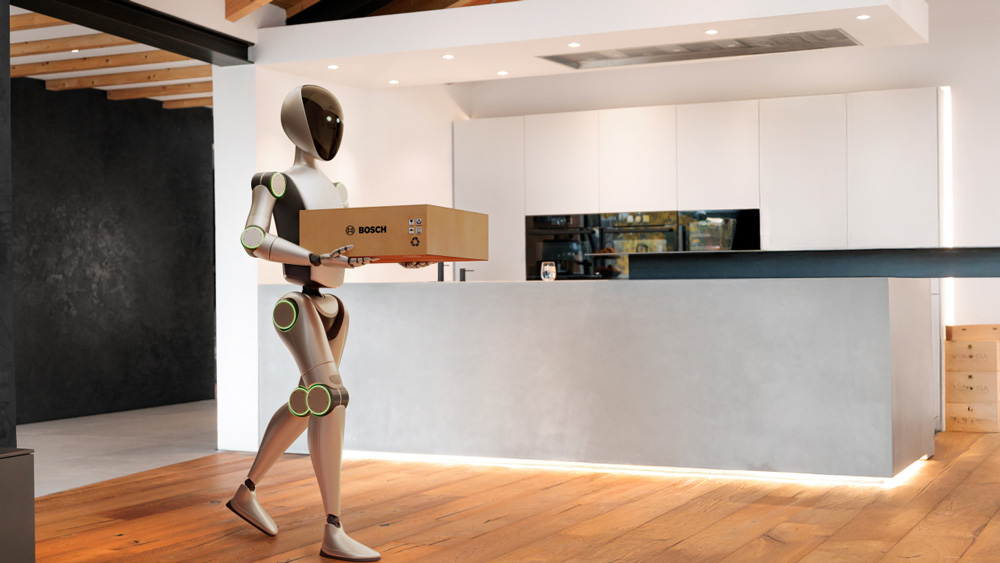
Dubai, UAE – At CES 2026, Robert Bosch GmbH presented a future where the line between hardware and software dissolves. Emphasizing “software-hardware symbiosis,” the company showcased innovations ranging from empathetic car cockpits to self-correcting factories, projecting software and service sales to top €6 billion by the early 2030s.
“Software is the invisible engine of progress, but only when it merges seamlessly with the physical world does it unfold its full potential,” stated Tanja Rueckert, member of the Bosch board of management. She emphasized that Bosch’s dual expertise allows it to “bridge the gap between the physical and the digital.”

The Mobility sector remains the company’s financial powerhouse, expected to account for two-thirds of the projected software revenue. A centerpiece of the showcase was a new AI-based cockpit. Utilizing large language models, the system allows vehicles to converse naturally with drivers and visually interpret surroundings—automatically locating parking spots or drafting meeting minutes while in transit. Complementing this is the new Vehicle Motion Management software, designed to minimize motion sickness by centrally coordinating braking, steering, and chassis movements.
Beyond the driveway, Bosch is reshaping the factory floor. The company announced an expanded “Manufacturing Co-Intelligence” partnership with Microsoft. This initiative employs “agentic AI” to optimize production autonomously. “It makes factory processes more intelligent,” Rueckert noted, signaling a shift toward manufacturing systems that can predict errors and execute tasks without human intervention.

In the U.S. market, Bosch is strengthening its footprint through a strategic alliance with Kodiak AI to develop redundant platforms for driverless trucks.
The technological push aligns with global sentiment. The Bosch Tech Compass, a survey released alongside the event, revealed that 70 percent of respondents view AI as crucial for the future, validating the company’s aggressive investment of over €2.5 billion in AI development by 2027.