 News Desk
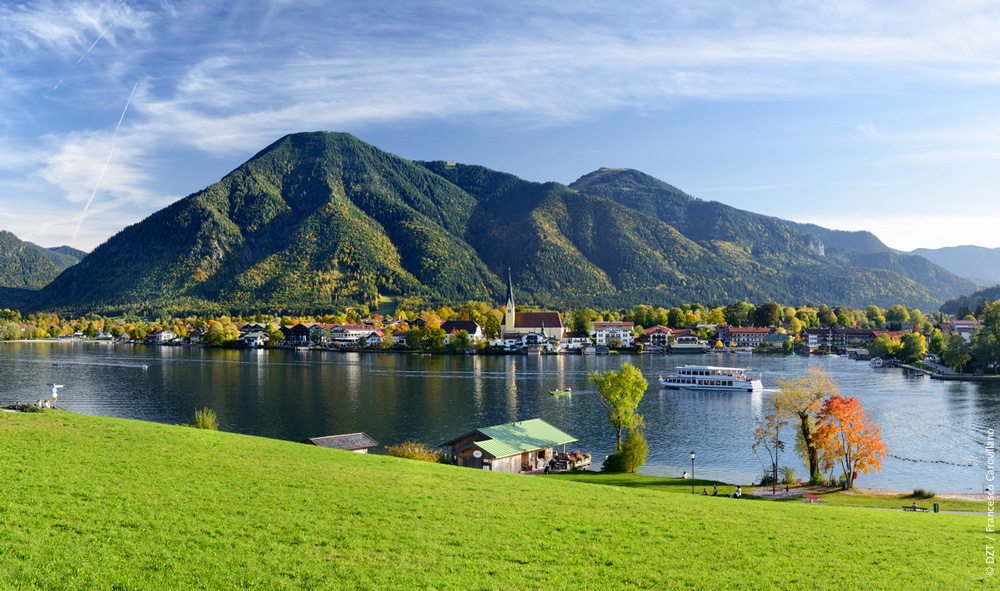
Dubai, UAE – The German National Tourist Office (GNTO) and visitBerlin have revealed an ambitious vision for 2026 aimed at positioning Germany as a leading destination for culture-rich, experience-driven travel, with a strong focus on visitors from the GCC region.
Responding to growing demand for flexible, meaningful journeys, the strategy is designed to engage a new generation of travellers — particularly Gen Z — while continuing to appeal to families, couples and multi-generational groups. The initiative highlights Germany’s evolving identity as a destination that blends urban creativity, culinary excellence and a strong sense of wellbeing.
At the core of GNTO’s 2026 strategy are two major campaigns: City Life and Culinary Germany. Together, they showcase the country’s diversity and contemporary appeal while supporting tourism-related sectors including hospitality, dining and retail.
The City Life campaign places Germany’s urban centres at the heart of the travel experience. From major metropolises to smaller cultural hubs, cities are presented as dynamic spaces where heritage meets modern lifestyles, offering shopping, gastronomy, arts and creative scenes. The campaign combines inspirational storytelling with clear calls to action, aiming to drive inbound travel and revenue.
“Our vision for 2026 is rooted in showcasing Germany as a destination that feels relevant, inspiring and welcoming to today’s travellers,” said Yamina Sofo, Director of the Marketing & Sales Office – GNTO GCC. “Through City Life and Culinary, we are highlighting experiences that resonate strongly with Gen Z while still appealing to families and seasoned travellers from the GCC.”
Complementing the urban focus, Culinary Germany underscores the country’s food culture as a reflection of its diversity and innovation. The campaign spans vibrant street food, regional specialities and fine dining, with halal-friendly options widely available.
Germany’s culinary credentials have been reinforced by the 2025 MICHELIN Guide, which lists a record 341 MICHELIN-starred restaurants. The guide also highlights the country’s leadership in sustainable gastronomy, with 80 restaurants now holding MICHELIN Green Stars following the addition of 14 new eco-recognised establishments.
Berlin plays a central role in the national narrative. As Germany’s capital and one of Europe’s most creative cities, it is positioned as a flagship destination for urban storytelling, especially for travellers seeking authentic, experience-led city breaks.
“Berlin represents the energy and diversity of urban life in Germany,” said Burkhard Kieker, CEO of visitBerlin. “In 2026, we will continue to highlight the city as a place of creativity, culture and openness — a destination that inspires, especially for younger travellers.”
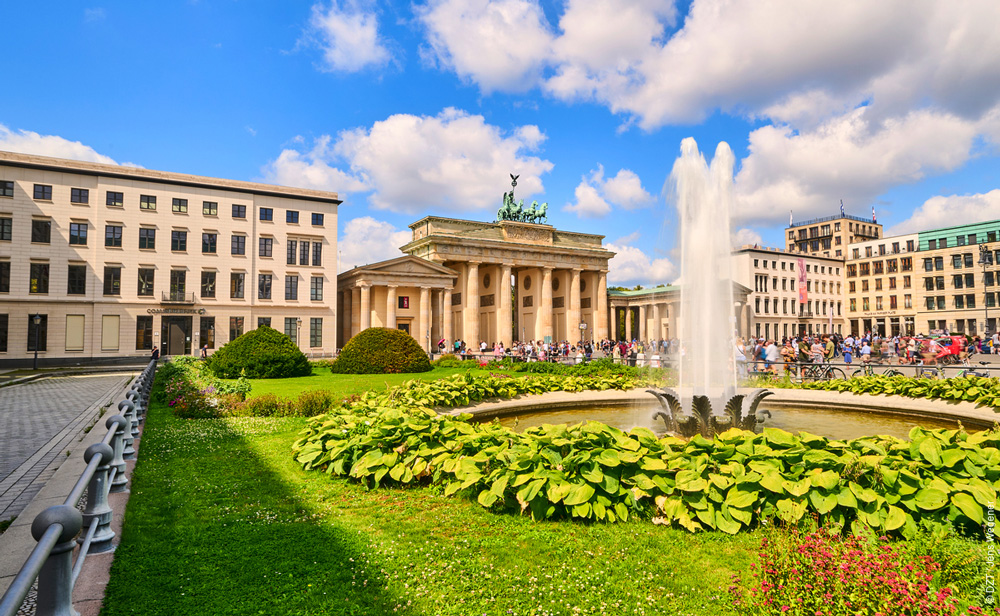
A major milestone next year will be Berlin’s 20th anniversary as a UNESCO City of Design, reinforcing its status as a global design capital. With more than 30,000 creative companies, the city’s design ecosystem spans sustainable fashion, digital innovation and collaborative platforms such as CityLab Berlin.
Key events including Berlin Design Week, the DMY Design Festival and DesignDays.Berlin in September will showcase exhibitions, neighbourhood tours, museums and street art.
Berlin’s cultural calendar will also feature the reopening of the Hohenzollern crypt at Berlin Cathedral after six years of restoration. Outdoor highlights include the Carnival of Cultures (22–25 May), Staatsoper für alle (24 May), Fête de la Musique (21 June), the Classic Open Air festival (9–12 July), the Berlin Philharmonic’s Waldbühne concert (27 June) and the Pop-Kultur Festival (24–29 August).
GNTO and visitBerlin will continue close collaboration with media and travel trade partners across the GCC to convert this strategic vision into travel demand. By combining nationwide themes with Berlin’s strong city narrative, Germany aims to offer fresh reasons to visit in 2026 — from vibrant city life and culinary journeys to experiences centred on creativity and wellbeing.