 News Desk
Dubai, UAE – A 25-year-old Filipina woman who endured years of physical pain, emotional trauma and social challenges caused by a rare skull defect has been given a new lease on life following a pioneering minimally invasive surgery at Medcare Hospital Sharjah.
The young woman, who had been living in Iraq, travelled to the UAE after exhausting medical options elsewhere and being told that only high-risk open skull surgery could treat her condition. Instead, surgeons at Medcare performed an advanced transnasal endoscopic procedure, repairing the defect without opening her skull and leaving no visible scars.
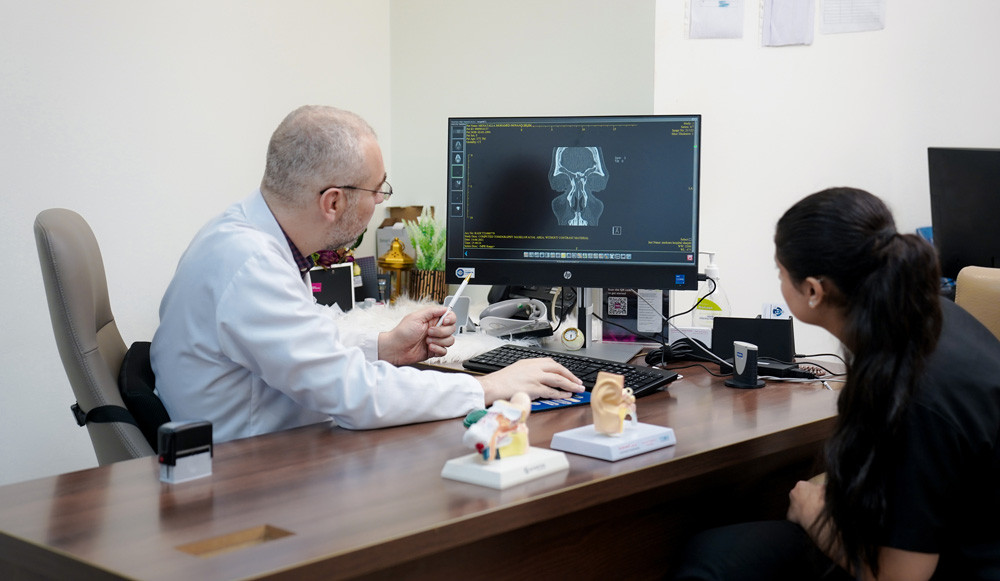
She had been diagnosed with a right frontal meningocele — a condition in which the protective lining of the brain protrudes through an opening in the skull. While such cases typically extend into the nasal cavity, her condition followed an exceptionally rare path, expanding behind her right eye. The deformity caused visible protrusion, intense headaches, eye pain, and progressive worsening of symptoms that severely affected her quality of life.
“I have lived with this since I was a child — the swelling, the pain, the asymmetry, the comments and the bullying,” the patient said. “Over the past year, the pain became unbearable. Even walking or riding in a car triggered severe pain. I feared for my eyesight.”
Multiple specialists abroad recommended open skull surgery, a procedure she feared due to its risks and permanent scarring. In mid-2025, as her condition worsened and began affecting her ability to work, she searched internationally for alternatives and discovered Dr Said Alhabash and Dr Narayanan Janakiram, expert skull-base surgeons at Medcare Hospital Sharjah.
“This was an extremely rare and high-risk case,” said Dr Alhabash. “The defect involved the skull base, dura mater, brain tissue, cerebrospinal fluid pathways and structures close to the eye. The meningocele was extending directly into the eye socket — something we almost never see.”
Given the proximity to vital structures, the risks included meningitis, vision loss and neurological damage. Rather than performing open skull surgery, the team opted for a minimally invasive endoscopic approach through the nasal passage.
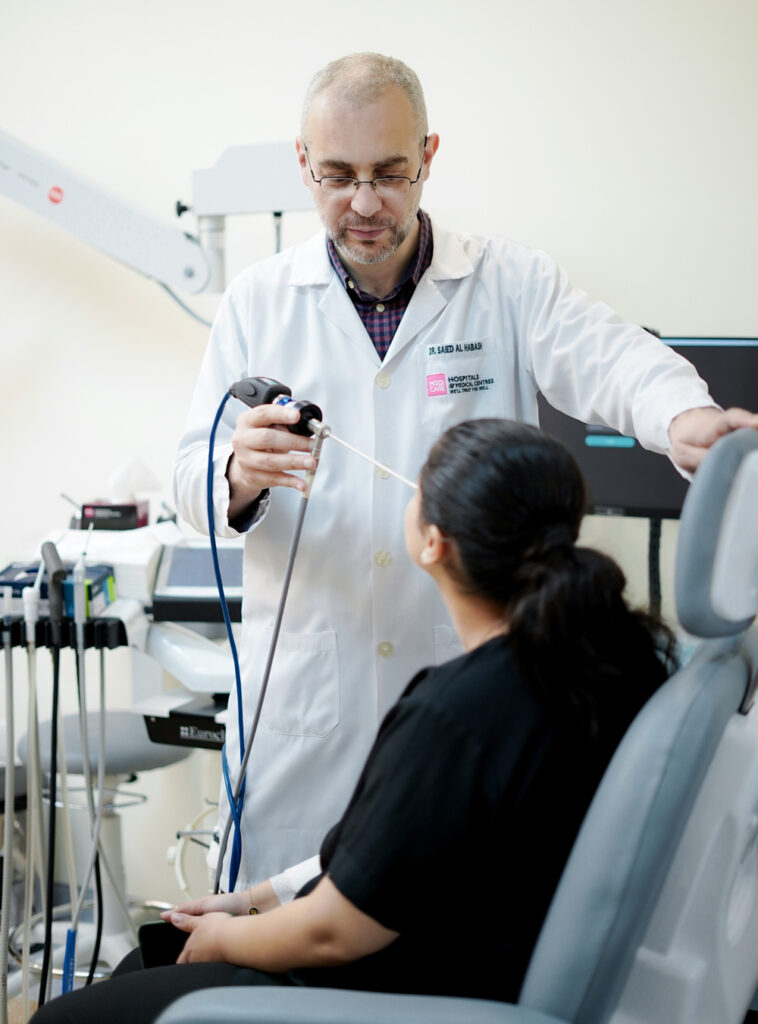
“Using a tiny camera, we accessed and repaired the skull base with grafts, avoiding the need to open the skull,” Dr Janakiram explained. “This approach reduces complications, speeds recovery and avoids facial scarring.”
The three-hour surgery was successful. Within days, the patient reported complete relief from the debilitating pain that had plagued her for years.
“They were the first doctors who truly gave me hope,” she said. “I didn’t have to shave my head or undergo major surgery. Two days later, I was walking, and the pain was gone.”
Doctors emphasised that early diagnosis of such rare conditions is crucial. “If left untreated, cases like this can lead to life-threatening complications such as meningitis,” Dr Janakiram said.
The successful outcome further reinforces Medcare Hospital Sharjah’s growing reputation as a regional centre of excellence for complex skull-base and ENT procedures, attracting patients from abroad seeking specialised care.
The patient, now recovering well, is expected to resume normal life within a month. She plans to travel with her husband and return to daily activities without fear or pain.
“My advice to others is simple: don’t give up,” she said. “Find the right doctor and the right hospital. It changed my life.”