 News Desk
Dubai, UAE – Huawei has showcased its latest wearable-based blood sugar management wellness insights at the World Health Expo Dubai 2026, highlighting the growing role of smart technology in proactive health awareness.
The newly introduced feature uses non-invasive Photoplethysmography (PPG) technology embedded in Huawei smartwatches to analyze users’ physiological signals and identify potential blood sugar fluctuation patterns. Based on continuous data collection, the system provides proactive wellness alerts designed to raise awareness of possible diabetes risks and encourage early medical consultation.
Huawei emphasized that the feature does not measure precise blood glucose levels nor provide a medical diagnosis. Instead, it aims to help users recognize early wellness trends linked to diabetes and seek professional advice in a timely manner.
The announcement comes amid rising global diabetes prevalence. According to the International Diabetes Federation’s 2024 report, 589 million adults aged 20 to 79 are living with diabetes worldwide, with 43 per cent remaining undiagnosed. In the Middle East and North Africa region, 85 million adults currently have diabetes, a figure projected to increase by 92 per cent to 163 million by 2050. In the UAE alone, diabetes prevalence among adults stands at 20.7 per cent.
Huawei cited recent scientific research indicating a shared genetic link between resting heart rate and diabetes, as well as evidence that diabetes-related microvascular arteriosclerosis and neuropathy can affect PPG signals. Leveraging these insights, the company developed an algorithm capable of identifying blood sugar-related wellness patterns through smartwatch-based PPG measurements.
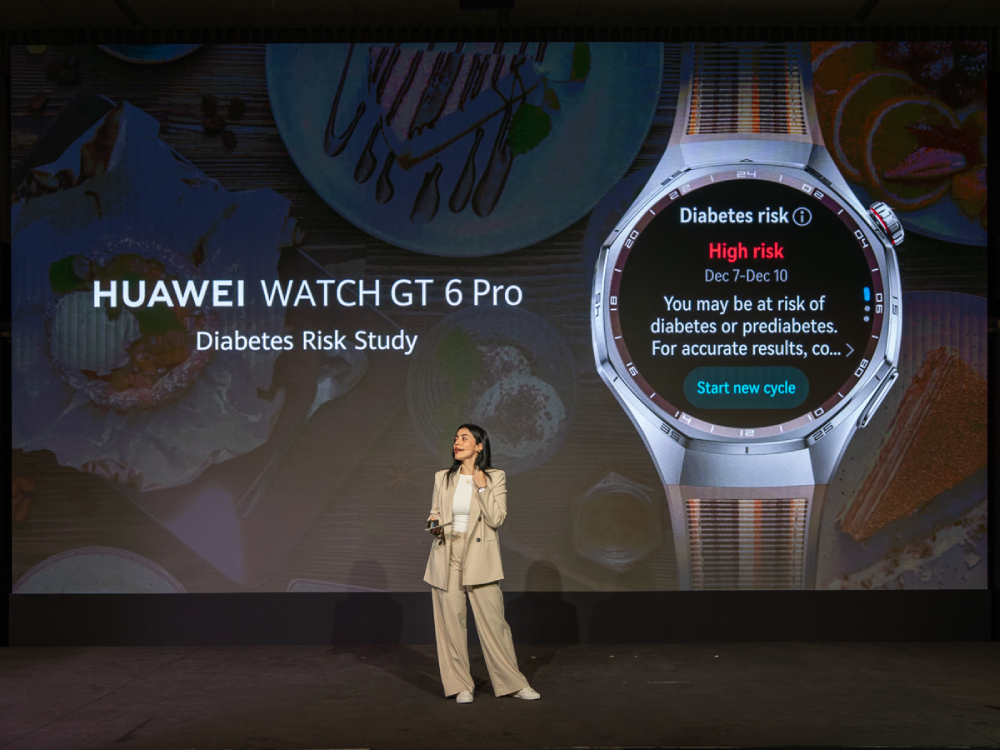
To use the feature, users are required to wear their smartwatch consistently for a period ranging from three to 14 days. Upon completion, the Diabetes Risk app categorizes users into Low, Medium, or High wellness pattern groups. Huawei advises individuals identified in the Medium and High categories to seek professional medical evaluation for further assessment.
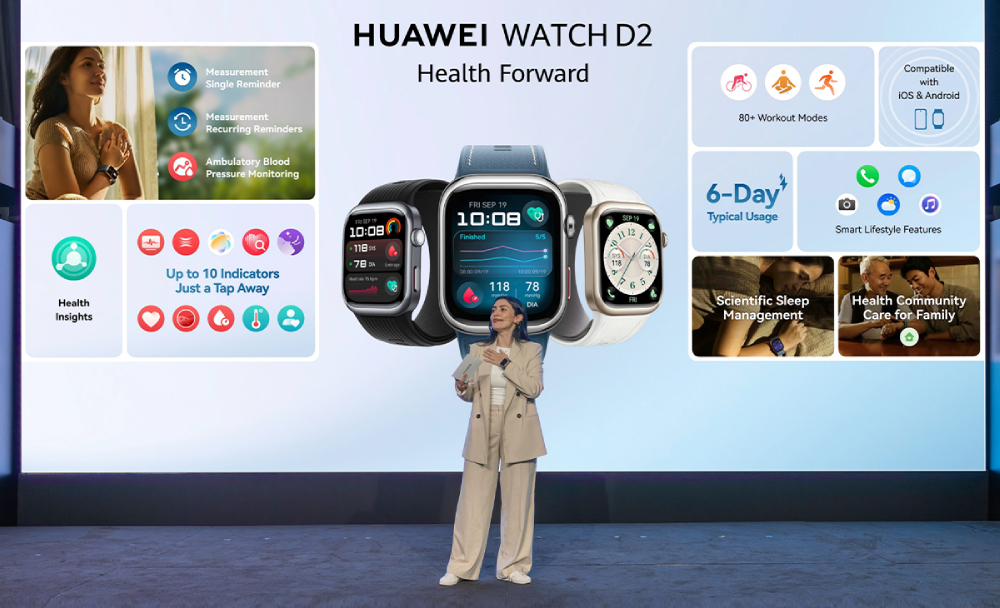
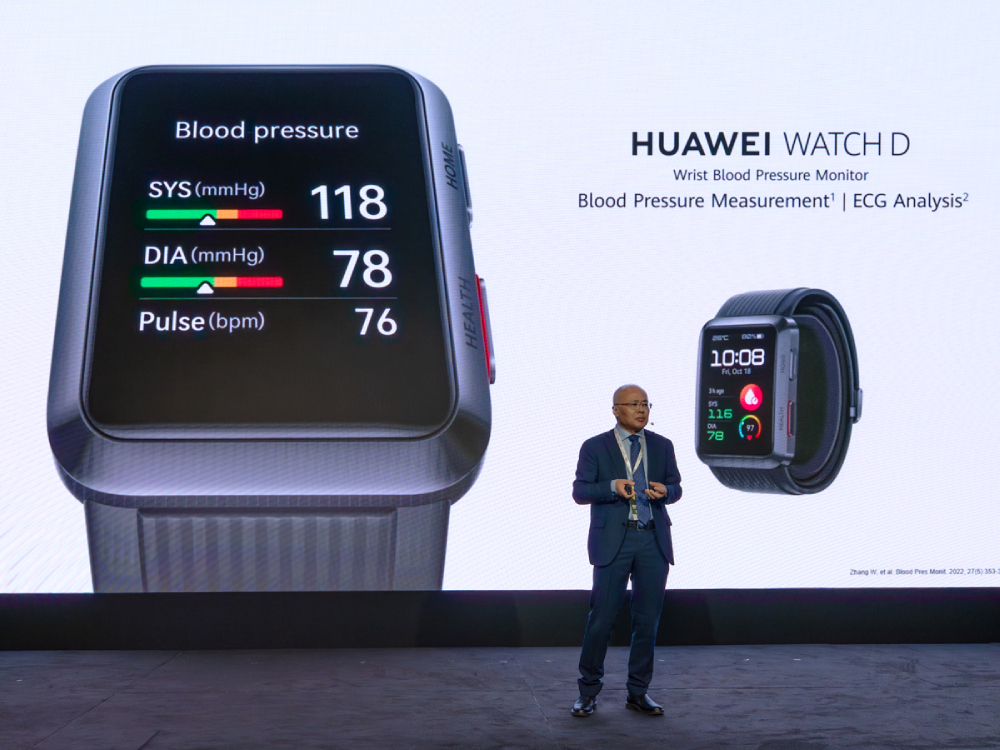
Professor Jiguang Wang, Director of the Shanghai Institute of Hypertension, addressed attendees at the expo and spoke on the effectiveness of wearable-based PPG technology for proactive health-trend awareness. Professor Wang has collaborated with Huawei on several health-focused innovations, including the development of the HUAWEI WATCH D and the subsequent HUAWEI WATCH D2, both featuring blood pressure monitoring capabilities.
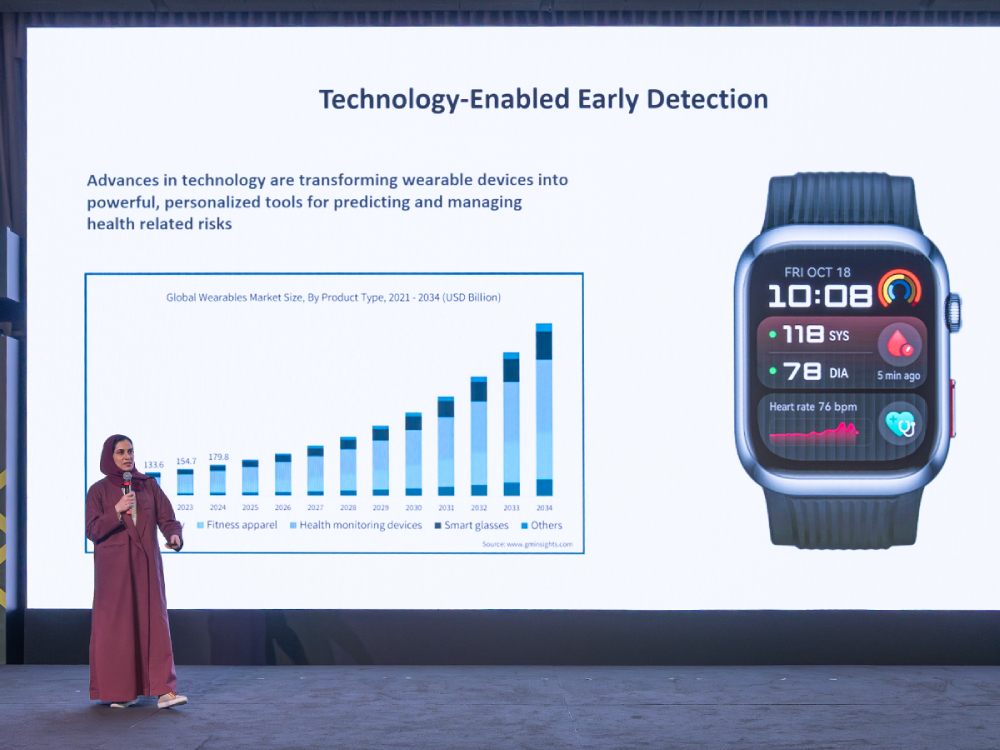
The blood sugar risk awareness feature has already been rolled out via an over-the-air update for the HUAWEI WATCH GT 6 Pro, with broader compatibility across additional smartwatch models expected in the future. Huawei confirmed that the feature is safe for all users, with no known side effects or contraindications, while reiterating that it should not be considered a substitute for professional diabetes screening or diagnosis.