
 News Desk
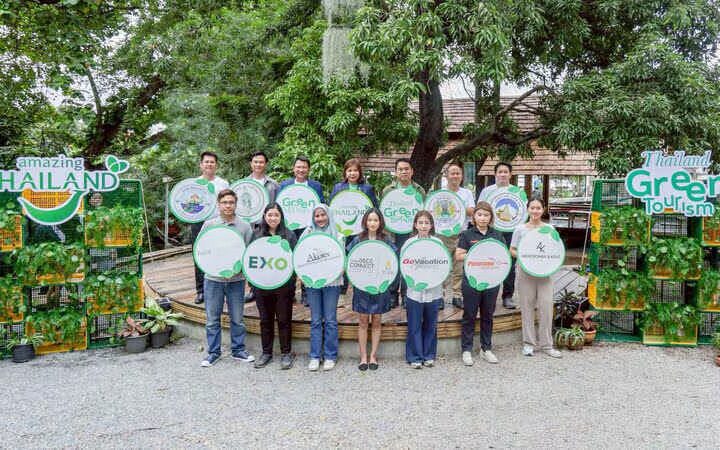
Bangkok: Thailand’s tourism story is changing. Travellers are no longer coming only for sun-soaked beaches and five-star resorts. Increasingly, they are seeking higher ground, closer contact with nature, and experiences that feel meaningful rather than mass-produced.
That shift is most visible in the country’s fast-growing eco-tourism movement. Industry figures from 2024 to 2025 show Thailand’s sustainable tourism sector expanding by more than 15 per cent a year, with eco-tourism now making up over a third of the responsible travel market. But beyond the data, the real transformation can be seen in how and where visitors choose to travel.
In the north, adventure-seekers are trading coastlines for cool mountain air. Guided hikes through Doi Inthanon National Park and the forested trails of Mae Taeng are drawing travellers keen to experience Thailand’s biodiversity at close range. Responsible wildlife encounters are also gaining popularity, particularly at Huai Kha Khaeng Wildlife Sanctuary and along the Chiang Dao Wildlife Corridor, where protected habitats allow for ethical observation of elephants and native species.
Women’s travel groups are emerging as a driving force behind this trend. Small-group treks, birdwatching walks and community visits to villages such as Ban Mae Kampong offer a blend of adventure, safety and shared discovery. Many itineraries now balance nature-focused mornings with wellness sessions, craft workshops and carefully curated dining experiences, creating journeys that feel both energising and restorative.
Further south, the focus shifts to marine conservation. Kayaking through the dramatic limestone formations of Ao Phang Nga National Park, snorkelling in the clear waters of Mu Ko Surin National Park, and reef-safe diving tours around Koh Tao and Koh Lanta are allowing travellers to explore Thailand’s underwater ecosystems while supporting long-term conservation efforts.
Even urban experiences are being reimagined. Cycling through Bangkok’s Bang Krachao, often referred to as the city’s “green lung”, travelling by electric boat along river routes, or walking heritage streets in Chiang Mai reflect a slower, more immersive way to engage with city life.
With more than 100 hotels across the country now enrolled in structured sustainability programmes, travellers no longer have to choose between comfort and conscience. Eco-exploration can sit comfortably alongside high service standards.
For visitors from the UAE and the wider Middle East, Thailand’s evolving tourism landscape offers something beyond a traditional holiday. It promises journeys shaped by nature, connection and shared stories — and a deeper way to experience the country itself.