 News Desk
Dubai: Dubai-based investment banking advisory firm Alpen Capital has released its first-ever GCC Real Estate Industry Report, offering a detailed look at a sector that has evolved into one of the region’s most attractive investment avenues over the past decade.
The report paints a picture of sustained and steady growth, driven by maturing supply and demand dynamics, ambitious economic diversification plans, continued foreign investment and a regulatory environment that remains broadly supportive across the Gulf. Beyond headline forecasts, the study takes a deep dive into residential, commercial, hospitality and retail real estate, while also profiling selected developers and operators shaping the regional landscape.

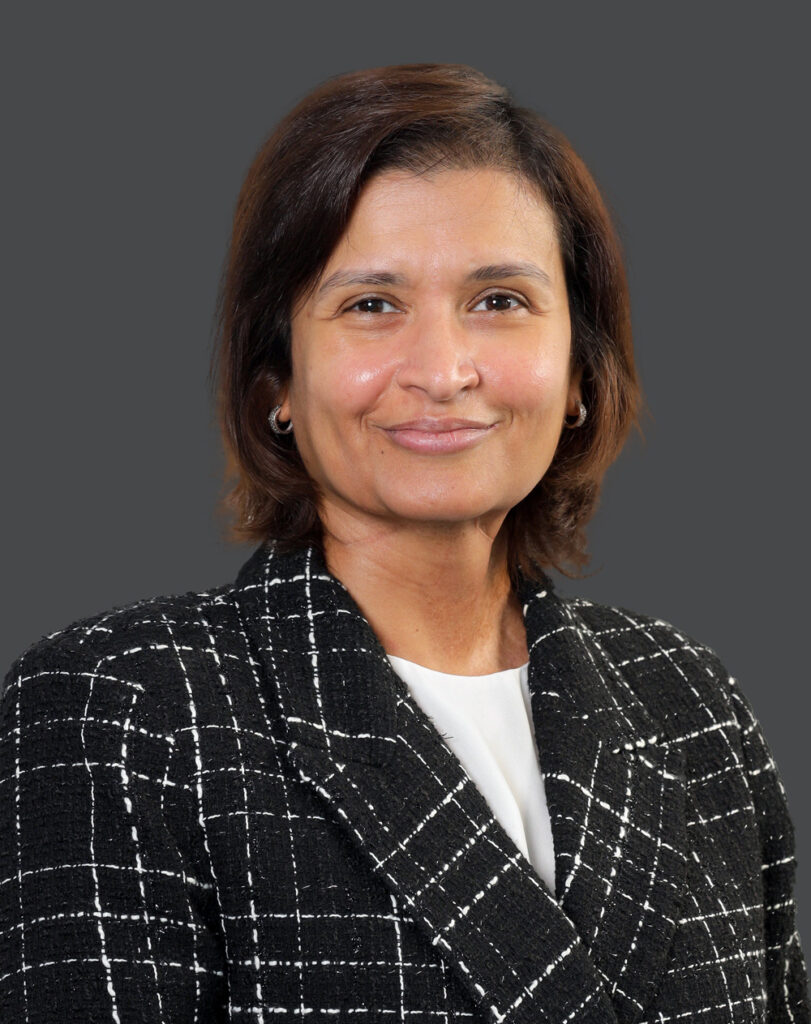
Commenting on the findings, Sameena Ahmad, Managing Director at Alpen Capital, said the GCC’s real estate sector has undergone a marked transformation in recent years. She noted that national strategies aimed at building resilient, diversified economies have reshaped the market, with Dubai leading the way as a global real estate hub supported by foreign ownership, large-scale infrastructure spending and long-term development strategies. According to her, steady supply is expected across all major asset classes in the coming years, underpinned by government investment, strong demographics, high per-capita incomes and a conducive regulatory framework.
Sharmin Karanjia, Executive Director at Alpen Capital, highlighted a noticeable shift in how new projects are being planned and delivered. He explained that supply-demand dynamics across the GCC are becoming more balanced, with developers phasing projects more strategically and placing greater emphasis on quality, sustainability and mixed-use formats. While some pockets may face short-term oversupply, he added that well-located, high-quality developments are expected to continue attracting buyers and supporting prices as major development zones reach maturity.
According to the report, the GCC real estate market is entering a more disciplined phase of expansion, with supply increasingly aligned to underlying demand. High disposable incomes, steady population growth, expatriate inflows and favourable tax regimes remain key demand drivers. Future development pipelines are expected to focus on mixed-use projects, higher asset quality and the integration of residential, commercial and lifestyle components. Saudi Arabia and the United Arab Emirates are set to account for the bulk of upcoming supply, while other GCC markets pursue more selective growth strategies.
Residential outlook:
Based on announced projects, regional housing supply is projected to rise from about 6.26 million units in 2025 to 7.28 million units by 2030. Saudi Arabia is expected to add nearly half a million homes over this period, largely through giga projects and master-planned communities in Riyadh and Jeddah. In the UAE, residential stock is forecast to grow by around 390,000 units, with new supply concentrated in apartment-led mixed-use developments in Dubai and premium villa and waterfront communities in Abu Dhabi.
Commercial outlook:
Office space across the GCC is expected to expand from 33.3 million square metres in 2025 to 42.4 million square metres by 2030. More than two-thirds of new supply is likely to come from Saudi Arabia and the UAE. Riyadh will remain a focal point for new commercial developments, while the UAE’s growth is expected to be more measured, centred on premium, sustainable and lifestyle-oriented office districts.
Hospitality outlook:
Hotel room supply in the GCC is projected to increase from 345,400 rooms in 2025 to nearly 410,000 rooms by 2030, with Saudi Arabia emerging as the fastest-growing market. Growth will be fuelled by rising international arrivals, expanded aviation capacity, mega events and destination-led developments. The sector is also shifting towards more stable, income-generating formats, supported by improving occupancies, higher room rates and the expansion of serviced apartments.
Retail outlook:
Retail gross leasable area across the GCC is expected to grow from 22.8 million square metres in 2025 to 27.2 million square metres by 2030. Developers are increasingly focusing on experience-led formats, prioritising entertainment, dining and lifestyle concepts to drive footfall and counter e-commerce pressures. While flagship malls and mixed-use destinations are set to lead growth, especially in Saudi Arabia and the UAE, secondary assets may face pressure to reposition.
The report notes that government efforts to position real estate as a pillar of non-oil growth continue to support the sector. Rising expatriate populations and an influx of high-net-worth individuals, particularly in the post-pandemic period, are driving foreign direct investment and demand for large-scale developments. At the same time, infrastructure spending on transport, logistics and urban systems is opening up new development corridors across the region.
However, Alpen Capital also flags challenges, including the sector’s reliance on public spending and mega projects, which makes supply pipelines sensitive to oil prices and global economic cycles. Elevated interest rates could weigh on project feasibility, encouraging more phased development, while localised oversupply may put pressure on prices and rents in certain markets. Increasing insurance costs linked to climate risks are another emerging concern.
Looking ahead, sustainability is becoming a baseline requirement across the GCC, with green finance gaining traction through instruments such as green bonds, sukuks and sustainability-linked financing. A clear “flight to quality” is evident, with demand gravitating towards premium assets offering strong connectivity and ESG credentials. Digital transformation, including PropTech adoption and property tokenisation, is also improving transparency and access.
Overall, the report concludes that investment activity across the GCC remains healthy but increasingly selective, with capital flowing towards master-planned communities, destination-led projects and completed, income-generating assets aligned with the region’s long-term urban development goals.