
 News Desk
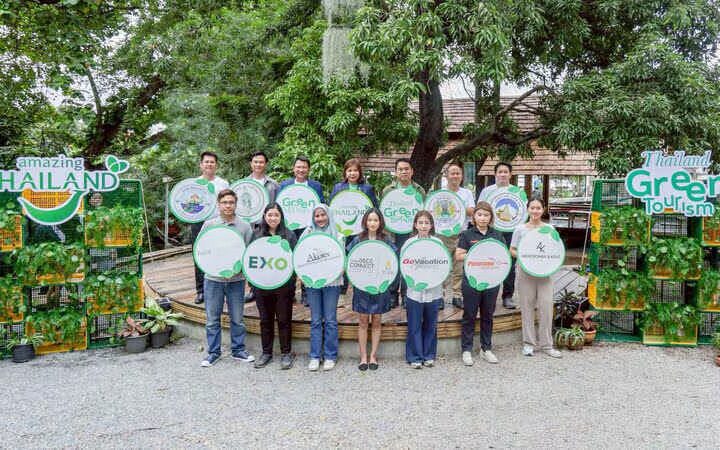
Thailand is emerging as a standout destination for travellers seeking more than just a holiday, blending adventure with a growing commitment to sustainability. As more visitors around the world turn towards nature-focused travel, the country is drawing attention for experiences that allow exploration while encouraging greater respect for the environment.
From its mist-covered mountains in the north to its vibrant coral reefs in the south, Thailand is offering a travel experience that feels both exciting and meaningful. The country’s diverse natural landscapes are helping shape a new kind of tourism, one that invites visitors to connect more deeply with the places they explore.
This shift is reflected in the country’s tourism sector, where eco-conscious travel has continued to gain momentum through 2024 and 2025. Nature-based activities, wildlife experiences and community-led tourism are becoming increasingly popular, as travellers look for journeys that are as enriching as they are enjoyable.
In northern Thailand, destinations such as Doi Inthanon National Park, home to the nation’s highest peak, and the scenic trails around Mae Taeng Valley offer visitors a chance to discover waterfalls, panoramic mountain views and local hill communities. Nearby, Chiang Dao Wildlife Corridor and viewing points within Huai Kha Khaeng Wildlife Sanctuary have also become appealing stops for those interested in ethical wildlife observation and birdwatching.
Further south, Thailand presents a different side of sustainable adventure. Visitors can paddle through the dramatic limestone scenery of Ao Phang Nga National Park, snorkel among the reefs of Mu Ko Surin National Park, or explore the rich marine life surrounding Koh Tao and Koh Lanta. These experiences not only highlight the country’s remarkable biodiversity, but also support conservation efforts aimed at protecting some of its most delicate ecosystems.
Sustainable travel in Thailand is not limited to remote landscapes. In Bangkok, travellers are discovering a calmer side of the capital by cycling through Bang Krachao, often referred to as the city’s green lung, or taking in river views aboard electric boats along the Chao Phraya. In Chiang Mai, visitors can enjoy the charm of walkable heritage neighbourhoods before heading into the nearby mountains for outdoor escapes that balance culture with adventure.
The hospitality sector is also evolving alongside this trend. More than 100 hotels across Thailand are now involved in sustainability programmes focused on energy efficiency and waste reduction, showing that environmental responsibility and modern comfort can go hand in hand.
For travellers from the UAE and across the wider Middle East, Thailand remains fully open and continues to be regarded as a safe and welcoming destination, especially for those planning getaways around the upcoming Eid holidays. With convenient air links, renowned hospitality and a wide variety of experiences on offer, Thailand is positioning itself as an ideal choice for those in search of adventure, relaxation and travel with greater purpose.