 News Desk
ABU DHABI: In a show of unity between government and the private sector, the Abu Dhabi Family Business Council used the spirit of Ramadan to open direct conversations with some of the emirate’s most influential family business figures, underlining the sector’s growing importance to Abu Dhabi’s economic future.
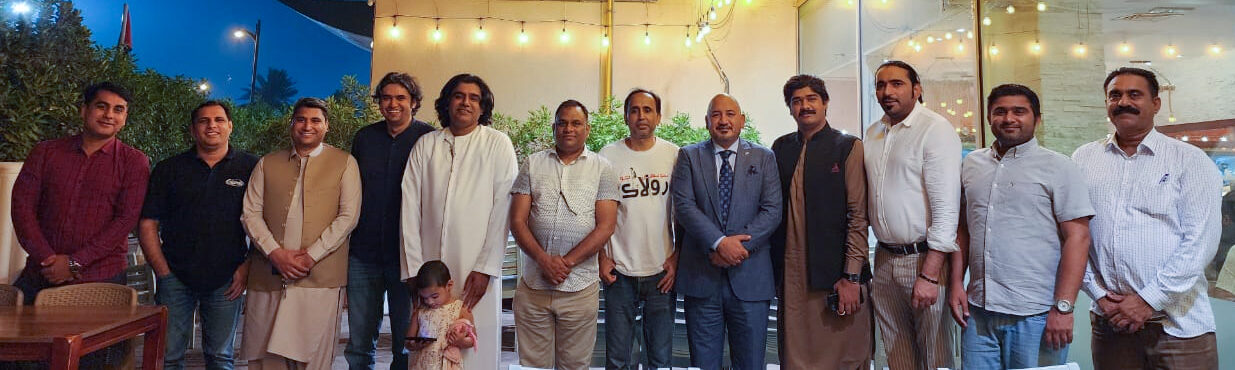
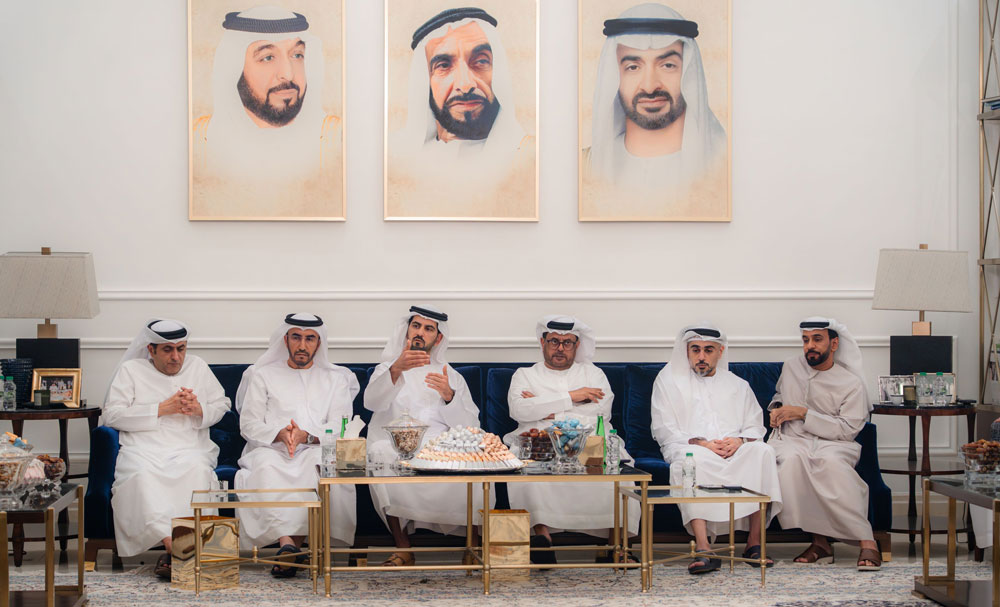
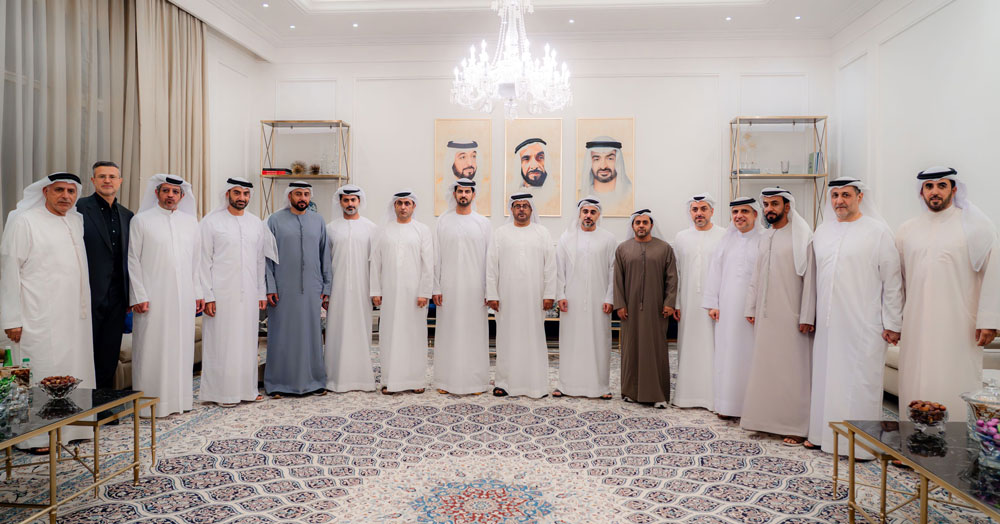
The council, an affiliate of the Abu Dhabi Chamber of Commerce and Industry, organised a series of Ramadan visits to the majlis of prominent economic personalities and leading entrepreneurs behind some of Abu Dhabi’s best-known family enterprises.
Among the majlis visited were those of Sultan bin Rashid Al Dhaheri, Mohamed Thani Murshed Al Rumaithi, former Chairman of the Abu Dhabi Chamber of Commerce and Industry, and Yousef Mohammed Al Nuwais.
Leading the Abu Dhabi Chamber delegation was Ahmed Jasim Al Zaabi, Chairman of Abu Dhabi Chamber. He was joined by Shamis Ali Khalfan Al Dhaheri, Chairman of the Department of Community Development and Second Vice Chairman and Managing Director of Abu Dhabi Chamber; Ali bin Harmal Al Dhaheri, First Vice Chairman of Abu Dhabi Chamber; Khaled Abdul Karim Al Fahim, Chairman of the Abu Dhabi Family Business Council; Masood Rahma Al Masood, Vice Chairman of the Council; and Ali Mohamed Al Marzooqi, Director General of the Abu Dhabi Chamber.
Senior businessmen, family business leaders and younger-generation successors also took part, giving the gatherings a wider significance beyond a traditional Ramadan visit.
Held during the holy month, the meetings highlighted the enduring value of the Ramadan majlis as a space where relationships are strengthened, ideas are exchanged and pressing business issues are discussed in a more personal and constructive setting.
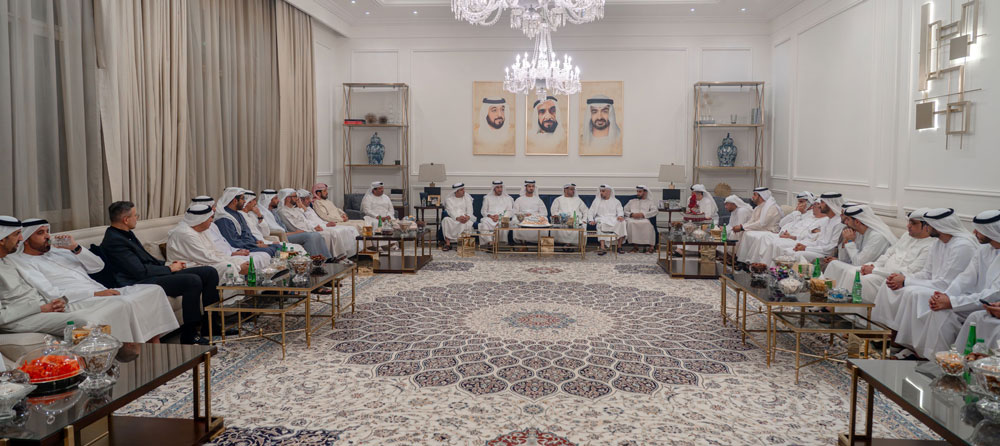
At the heart of the conversations was one clear theme: how to ensure family businesses remain strong, competitive and sustainable as they pass from one generation to the next.
Participants shared views on the future of the business environment in Abu Dhabi, the importance of strengthening governance, and the need to create the right conditions for family firms to grow at home and expand into new markets abroad. The discussions also explored the opportunities and pressures facing family-owned businesses as they scale up across generations.
The gatherings saw active engagement from attendees, with Ahmed Jasim Al Zaabi and the Chamber delegation answering questions and outlining efforts to support business growth, ease procedures and improve the competitiveness of companies across the emirate.
The broader message was clear: Abu Dhabi wants family businesses to remain at the heart of its economic transformation, especially as it pushes ahead with diversification, innovation and sustainable growth.
Speaking during the occasion, Khaled Abdul Karim Al Fahim, Chairman of the Abu Dhabi Family Business Council, said Ramadan majlis continue to play a key role in connecting family business leaders with the wider economic ecosystem.
He said these gatherings help deepen engagement, encourage the exchange of expertise and support the continuity of family businesses across generations. He added that the council is continuing to strengthen the sector through an integrated network of initiatives, programmes and partnerships focused on governance, sustainability and expansion into local and international markets.
Ali Mohamed Al Marzooqi, Director General of Abu Dhabi Chamber, said the gatherings reflected the strong ties within Abu Dhabi’s business community and reinforced the central role family businesses play in the national economy.
He said the Chamber remains committed to maintaining open dialogue with entrepreneurs and founding family business leaders, while drawing on their experience to support the long-term growth and resilience of the sector in line with Abu Dhabi’s ambition for a more competitive and diversified economy.
Family businesses remain one of the strongest pillars of the UAE economy. According to Ministry of Economy and Tourism data, the sector contributes about 60 per cent of the country’s GDP, provides more than 80 per cent of employment opportunities, and represents nearly 90 per cent of private companies across the UAE.
Their influence stretches across major sectors including trade, hospitality, real estate, industry and financial services.
In Abu Dhabi, their footprint is especially strong. Family businesses account for around 50 per cent of companies in construction, 60 per cent in financial services, 80 per cent in wholesale and trade, and 70 per cent in transport — a reflection of their outsized role in driving economic activity and strengthening the emirate’s competitiveness.
The Abu Dhabi Family Business Council says it will continue working to support the sustainability of family enterprises through policies and programmes that encourage better governance, stronger strategic planning and smoother leadership transition between generations.
As Abu Dhabi sharpens its position as a global business and investment hub, family-owned enterprises are once again being cast not just as legacy institutions, but as a major force in shaping the emirate’s next chapter.